
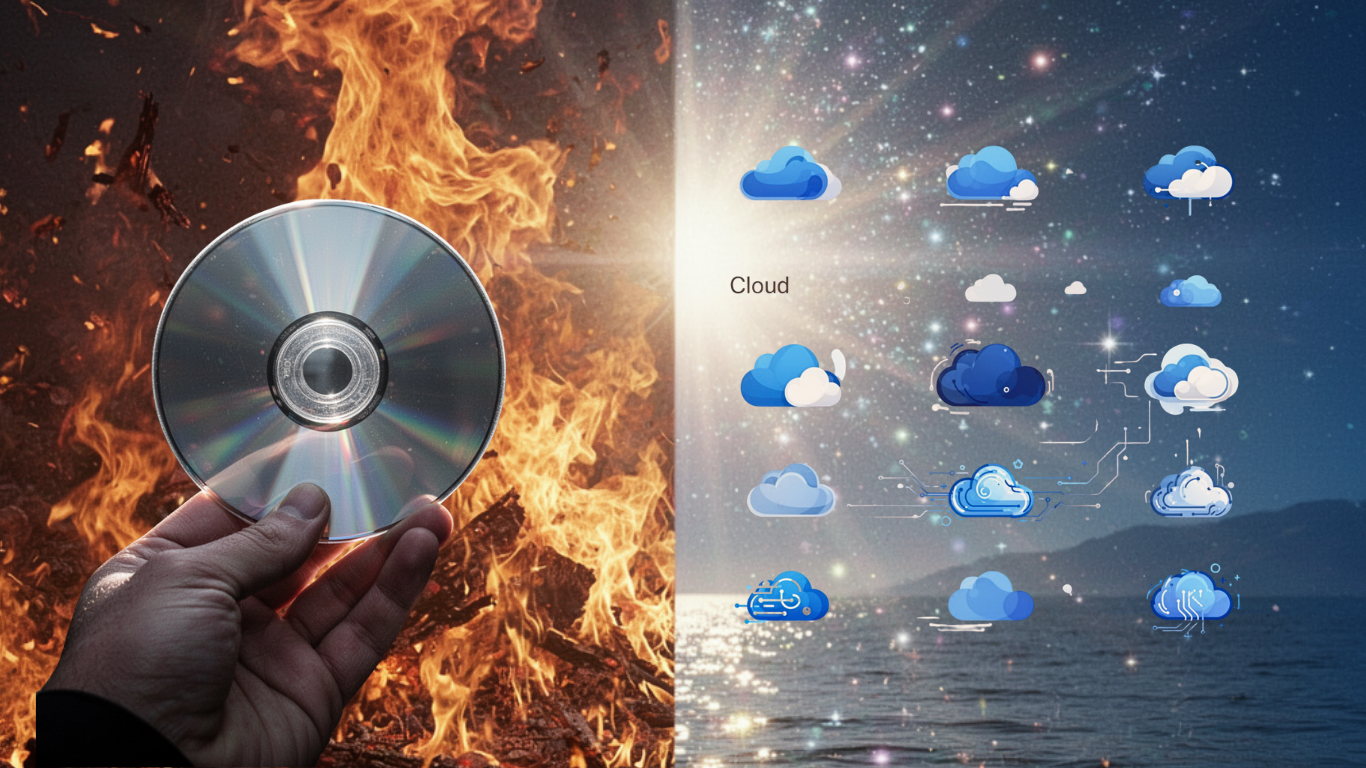
The Subscription War 2.0 is the modern phase of the console wars, where companies compete not just on hardware, but on subscription ecosystems. Instead of buying and owning games permanently, players increasingly pay monthly for access to large digital libraries.
The battle is no longer just Nintendo vs PlayStation vs Xbox.
It’s ownership vs access.

The Traditional Model: Buying and Owning Games
For decades, console gaming operated on a simple system:
- Buy the game
- Own the game
- Play it anytime
Consoles like the PlayStation 2, Xbox 360, and Nintendo Switch built massive success through individual game purchases.
Ownership meant:
- Permanent access
- Resale value
- Offline play
- Physical collecting
This was the foundation of earlier console wars.

The Netflix Model in Gaming: Subscription Access
The shift began when gaming adopted a model similar to Netflix — unlimited access for a monthly fee.
The most aggressive player in this space is Microsoft with Xbox Game Pass.
Instead of selling only consoles, Microsoft sells access.
Sony followed by expanding PlayStation Plus into tiered subscription plans.
Nintendo offers a lighter version through Nintendo Switch Online, focused mainly on retro libraries and online functionality.
This marks a massive strategic shift in modern console wars.

Xbox Game Pass vs PlayStation Plus: Who Leads the Subscription War?
Microsoft’s Strategy: Ecosystem Over Hardware
The Xbox Series X and Series S are deeply integrated with Game Pass.
Key advantages:
- Day-one first-party releases
- Large rotating library
- Cross-platform access (console + PC)
- Lower upfront cost for players
Microsoft is betting that subscriptions create long-term revenue stability.
Sony’s Strategy: Premium Ownership + Subscription Hybrid
The PlayStation 5 strategy is different.
Sony still relies heavily on:
- Blockbuster exclusives sold individually
- Premium $70 releases
- Optional subscription tiers
Sony isn’t fully committed to day-one subscription releases. Instead, it balances ownership with access.

Nintendo’s Strategy: Protect the Traditional Model
Nintendo remains the most ownership-focused of the three.
The Nintendo Switch thrives on:
- Strong first-party sales
- Physical collectors
- Long software life cycles
Nintendo’s slower adoption of subscription dominance may protect long-term brand value.
The Risks of Subscription-Based Gaming
While subscriptions offer convenience, they introduce concerns:
❌ You Don’t Own the Game
If a title leaves a service, access disappears.
❌ Licensing Control
Publishers, not players, control availability.
❌ Digital Preservation Issues
Ownership protects gaming history. Subscriptions complicate that.
The philosophical debate now drives the console wars more than raw power specs.
Is Game Ownership Dying?
Not yet.
But the industry is shifting toward:
- Digital-only consoles
- Subscription-first ecosystems
- Reduced physical media
The question isn’t whether subscriptions will grow.
It’s whether players will continue valuing ownership enough to resist full transition.

Who Is Winning the Subscription War 2.0?
Right now:
- Microsoft leads in subscription value and aggressive strategy
- Sony balances premium ownership with service growth
- Nintendo maintains traditional software dominance
But long term?
The winner will be whoever convinces players that their ecosystem offers the best combination of:
- Value
- Access
- Permanence
- Identity
This is no longer just a hardware war.
It’s a business model war.
And it may define the next generation of console gaming.

FAQ: Subscription War in Gaming
What is the Netflix model in gaming?
It refers to subscription services like Xbox Game Pass where players pay monthly for access to a rotating game library instead of purchasing titles individually.
Is Xbox Game Pass better than buying games?
It depends on the player. Game Pass offers value and variety, while purchasing games provides permanent ownership.
Is PlayStation moving toward subscriptions?
Yes, through expanded PlayStation Plus tiers, but Sony still prioritizes premium individual game sales.
Does Nintendo rely on subscriptions?
Less aggressively. Nintendo focuses more on traditional game purchases alongside Switch Online services.