
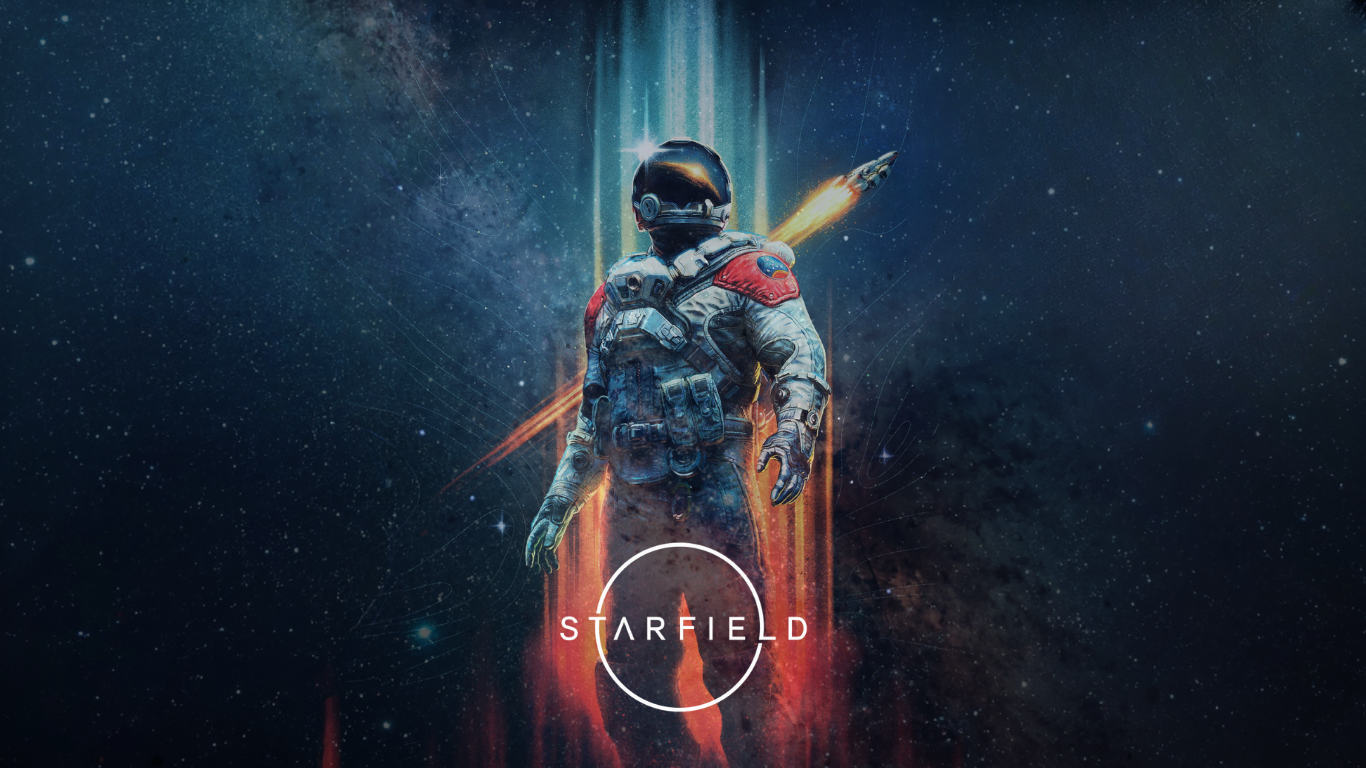
Starfield is one of the most ambitious RPGs ever created. Developed by Bethesda Game Studios and published by Bethesda Softworks, it marks the studio’s first new universe in decades.
Set among the stars, Starfield promises boundless exploration, deep role-playing systems, and a galaxy filled with opportunity. And while it delivers on scale and freedom, its execution doesn’t always match its ambition.

A Galaxy of Possibilities
At its core, Starfield is about exploration.
Players can travel across hundreds of planets, each offering unique environments, resources, and encounters. The sheer scale is impressive, giving a real sense of being part of a vast universe.
However, that scale comes with trade-offs. Many planets feel procedurally generated and lack meaningful content, making exploration inconsistent. Some locations are rich and engaging, while others feel empty and repetitive.
When Starfield shines, it captures the wonder of space. But those moments aren’t always consistent.

Classic Bethesda Gameplay… in Space
Fans of Bethesda’s previous RPGs will feel right at home.
Starfield builds on familiar systems:
- First-person and third-person combat
- Dialogue-driven quests
- Open-ended exploration
Gunplay is improved compared to past titles, with smoother shooting mechanics and better responsiveness. The addition of zero-gravity combat adds variety, creating unique and dynamic encounters.
However, core gameplay systems still feel dated in places. AI behavior, menu navigation, and certain mechanics lack the refinement seen in more modern RPGs.
Customization and Freedom
One of Starfield’s biggest strengths is player freedom.
You can:
- Build and customize your own spaceship
- Establish outposts on planets
- Shape your character through skills and traits
Shipbuilding, in particular, stands out as a deep and rewarding system, allowing players to design everything from small fighters to massive cargo vessels.
This level of customization adds depth and gives players a sense of ownership over their journey.
Story and Factions
The main story revolves around humanity’s expansion into space and the mysteries that lie beyond.
While the central narrative is interesting, it often takes a backseat to side quests and faction storylines. These optional paths are where the game truly excels, offering some of the most engaging content.
Choices matter in certain quests, but overall narrative impact feels more limited compared to other RPGs.
The story is solid—but not groundbreaking.
Visuals and Atmosphere
Starfield delivers a visually appealing experience, especially in space.
- Planetary vistas can be breathtaking
- Ship interiors are detailed and immersive
- Lighting enhances the sci-fi atmosphere
However, character models and animations can feel stiff at times, reflecting some of the engine’s limitations.
The game looks good, but not industry-leading.
Audio and Sound Design
The audio design helps sell the scale of the universe.
The soundtrack is atmospheric and fitting, supporting exploration and discovery. Sound effects—from ship engines to weapon fire—are well-designed and immersive.
Voice acting is solid, though not particularly standout across the board.
Performance and Technical Stability
Starfield runs relatively well on modern platforms, but it’s not without issues.
- Occasional frame drops
- Bugs and glitches typical of Bethesda titles
- Frequent loading screens between areas
While not game-breaking, these issues can disrupt immersion.
Overall, performance is stable but not exceptional.
Console Critics Rating Breakdown
Gameplay – 8.5 / 10
Solid RPG mechanics with improved combat, but some dated systems remain.
World & Design – 8 / 10
Massive scale, but inconsistent planetary content.
Story & Narrative – 8 / 10
Interesting main story with stronger side content.
Graphics & Art Style – 8.5 / 10
Impressive in space, but uneven in character detail.
Audio & Music – 8.5 / 10
Atmospheric and immersive, though not standout.
Performance & Optimization – 8 / 10
Stable overall, but held back by loading and minor issues.
Replay Value – 9 / 10
Extensive customization and exploration encourage replayability.
Final Score: 8.4 / 10 — Great
Final Verdict
Starfield is a game of immense ambition.
It offers a vast universe, deep customization, and the freedom to play your way. But its reliance on familiar systems and inconsistent world design prevent it from reaching its full potential.

Final Thought
Starfield doesn’t fully redefine the RPG genre—but it does deliver a space adventure that’s worth experiencing.
For players willing to look past its flaws, there’s a galaxy of stories waiting to be discovered.